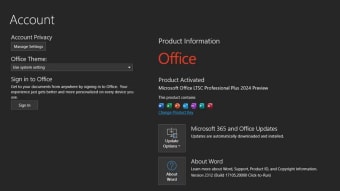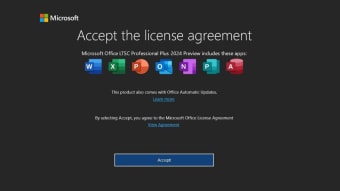
Integrated suite for everyday office work
Microsoft Office bundles productivity tools for writing, numbers, and slide decks into one workflow that most teams already understand. With Templates and File format compatibility, it helps standardize deliverables so reports, trackers, and presentations stay consistent when they move between departments and client stakeholders.
Top Recommended Alternative
Microsoft Office also fits fast-turnaround work where edits come from many hands. Co-authoring and Version history make collaboration less chaotic, while Add-ins extend the suite for niche tasks without changing how files are shared across mixed setups. It stays a common baseline for organizations that need predictable output and fewer conversion surprises during reviews and approvals.
Keeping integrated workstreams moving smoothly
Microsoft Office is built around a simple loop: draft, review, refine, then ship the final file in a format others can open. That mechanic matters when a document feeds a spreadsheet, then turns into a slide deck for stakeholders on tight deadlines. It keeps handoffs predictable across teams, but it can feel heavy if the job is just quick notes or a one-page memo. Compared with Google Workspace, it leans more on desktop-style depth; compared with LibreOffice, it usually avoids layout surprises when files bounce around.
Work stays efficient when projects are split into parts that can be owned and checked. A report can be structured for feedback, a data model can be audited cell by cell, and a presentation can be updated without rebuilding the story. That control is a big win for compliance-heavy work and recurring reporting across quarters, but it also puts responsibility on the team to keep naming, folders, and sections clean. If those basics slip, version sprawl, conflicting edits, and duplicated files can show up fast.
Performance is generally steady when the workload is planned well, yet large media, long change histories, and complex formulas can slow saving, searching, and syncing under pressure. The best experience comes from using consistent structure, limiting unnecessary formatting, and keeping source data tidy before it reaches the final deliverable. When collaboration is informal, confusion can still happen, so clear ownership, review steps, and file hygiene matter for everyone. For lighter workflows, Google Workspace may be faster, but it trades away some control.
A dependable suite for daily output
Microsoft Office suits teams that need consistent deliverables across documents, spreadsheets, and presentations, especially when files must circulate outside the organization. Its strength is predictable structure and broad compatibility that reduces rework during reviews and handoffs. The suite rewards clean organization and disciplined collaboration, and it can support both quick turnaround tasks and long-running projects. Recommended for professionals who value repeatable workflows and dependable results without relying on multiple apps for the basics.